


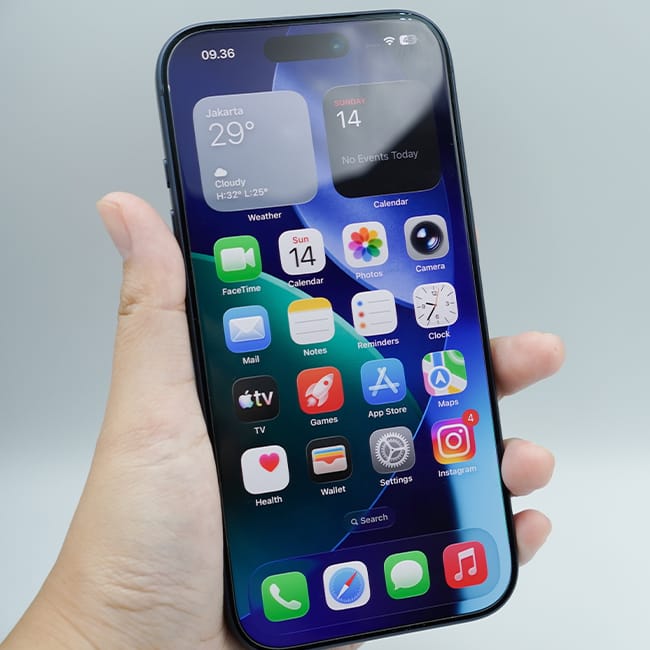
If you’re an iPhone owner, you know how irritating and upsetting it can be when your device starts running slowly.
A slow-moving iPhone can strongly affect your user experience, and it can also be caused by a number of things. From a lack of storage space to not being updated, there’s a whole lot that can contribute to a slow-moving phone. One of those things is the kind of apps you have on it, as using them or simply having them downloaded might make your iPhone’s speed worse. Read more about three of them below.

The Difference Between Dragging Through Your Day And Feeling Great On Your Feet? These Arch Support Insoles

1. Facebook
Facebook is often considered the blueprint for most of today's modern social media apps, and though it contains a lot of entertaining features, those features are what can end up slowing down your iPhone over time.
"If you're still using Facebook in 2026, you should know Meta's app is heavy on background refreshing, notifications, and media preloading, which means that by the time you open the app, even if your internet connection isn't ideal, you're able to scroll through several posts and media," wrote tech writer José Adorno for BGR. "This constant activity in the background can put additional strain on the battery life of your iPhone and even contribute to slowdowns on older devices."

1. Excess Navigation Apps
For many people, they can hardly get through their day without using at least one navigation app, especially if they spend a lot of time in the car or travel frequently. However, it really is best to just have one on your phone, as they can easily take up storage and require a lot of power from your phone.
"They're constantly running processes in the background, such as checking GPS, Bluetooth, data, and your device's motion sensors," explains tech pro Steven Athwal. "Navigation apps also store large offline map files, which consume your phone's storage. These background processes and large storage consumption are causing high CPU usage and battery degradation. To combat, I'd try disabling background access for these apps."

Why You Should Never Keep Passwords & Login Info In Your Notes App
Again, because there are so many sites and apps that require you to have some kind of login or password in order to use them, it can be easy to get overwhelmed. A lot of people will use the same email and password for various logins, which tech pros have expressed is not a good idea.
However, as it turns out, it's also not a good idea to keep them written down in your device's notes app. That can be surprising, especially since for many, it seems like the most logical place to keep them. But you're actually putting that information in a place that can be just as at risk as other pieces of your data.
"Unlike dedicated password managers or cloud storage services, the Notes app on your iPhone doesn’t offer end-to-end encryption," wrote tech pros at Total Defense. "This means that anyone with access to your device can potentially view your notes, including sensitive information like credit card numbers, passwords, or personal details."
Additionally, there's also the risk that if your phone gets hacked or stolen by someone who can get into your notes app, you're providing them with all of that precious login information right off the bat.
"If your device is lost or stolen, anyone who finds it could potentially access your notes and use your information for malicious purposes," they continue. "If you accidentally share your Notes app with others, your sensitive information could be exposed to unintended recipients."
Some tech pros suggest keeping your passwords in the iCloud Keychain if you own an iPhone, as it "uses end-to-end encryption," or a trusted encrypted password manager if you own an Android. However, it's also a wise choice to write them down on a sheet of paper you can keep in a safe, protected spot at home for ultimate protection.