





Heart disease remains the leading cause of death worldwide, which is why cardiologists say what you eat every day matters more than ever. While no single food will make or break your heart health, certain ultra-processed favorites can quietly increase your risk over time by contributing to high blood pressure, inflammation, weight gain, and elevated cholesterol levels.
As nutrition experts continue to emphasize the importance of a heart-friendly diet in 2026, some foods are landing firmly on the “limit or avoid” list. From sodium-packed convenience meals to fried fast-food staples, these popular picks may be doing your cardiovascular system more harm than good. Ahead, cardiologists and nutrition experts reveal four foods they recommend cutting back on if you want to protect your heart and support long-term health.

Women Are Swapping Their Boring Water For This Ice Pop Electrolyte Mix!

1. Frozen Pizzas
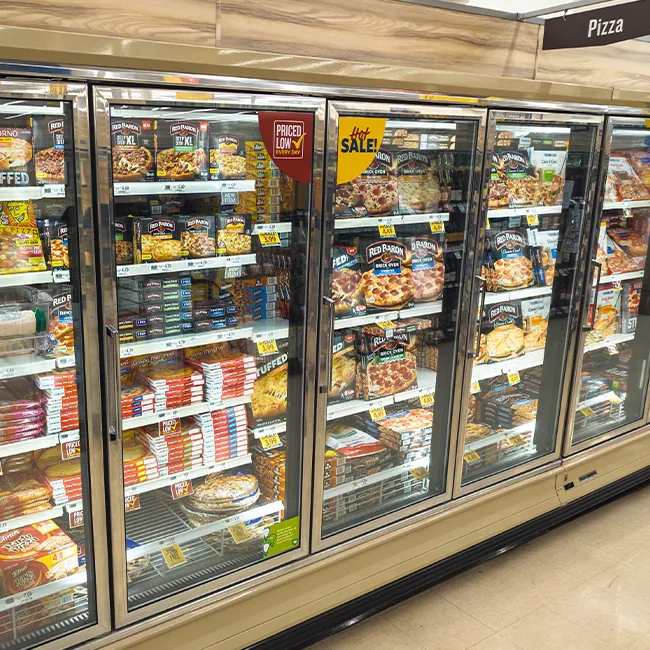
Who doesn't love a quick and convenient meal like frozen pizza after a long day? Unfortunately, this grab-and-go staple is a sodium bomb. "One popular product contains 1,400 mg of sodium per serving," Avery Zenker, Registered Dietitian at DiabetesTeam, warns. Not only are they salty, but "they’re typically ultra-processed, and contain processed meat and processed cheese, which are associated with poor heart health."
Instead of the freezer aisle version, Zenker recommends making your own at home: "Try baked panzerotti, pita pizza, bagel pizza, or even zucchini boats stuffed with pizza toppings to increase your veggie intake and cut back on sodium."
2. Bacon
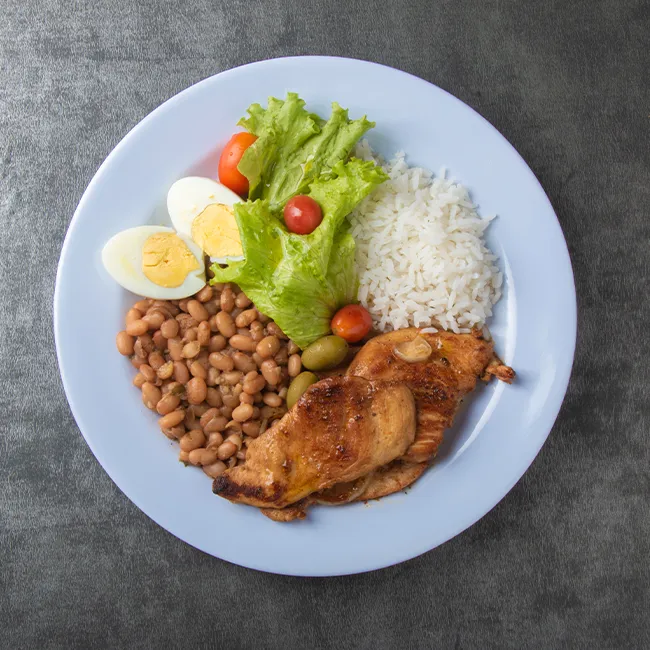
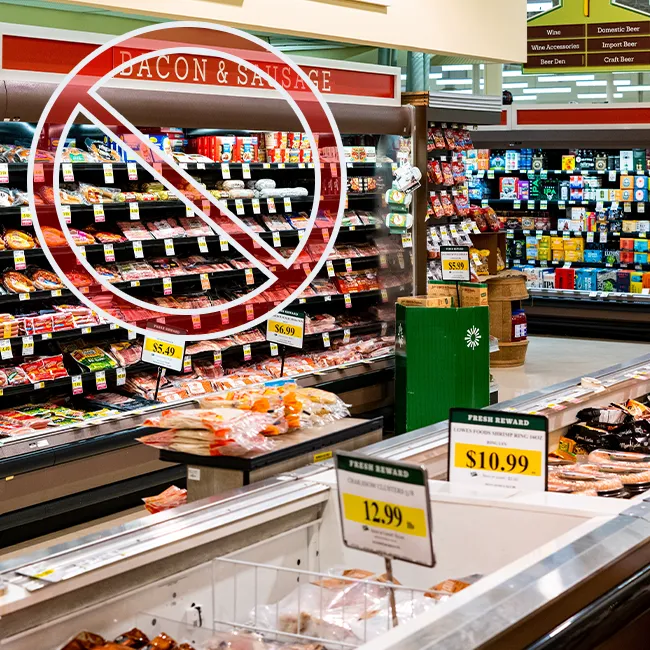
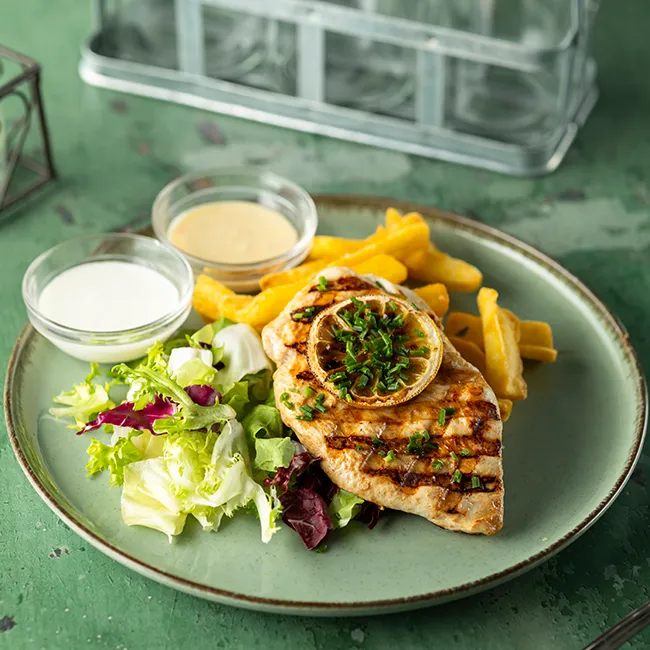
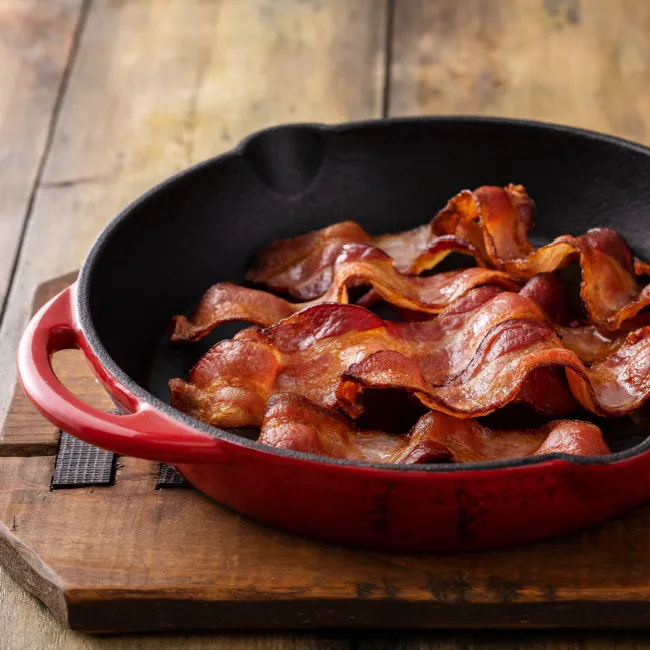
Bacon may be a breakfast staple, but its high saturated fat and sodium content make it a danger to your heart. "Processed meats like bacon contribute to high blood pressure and an increased risk of heart disease," Catherine Gervacio, a registered dietitian and nutrition writer for Livin.Fit, notes. The sodium in bacon leads to water retention and elevated blood pressure, both of which strain the cardiovascular system. For a healthier breakfast, consider swapping bacon for lean protein sources such as grilled chicken or turkey breast. Plant-based proteins like lentils and beans are also excellent alternatives that provide essential nutrients without the added risks.
3. Regular Soda
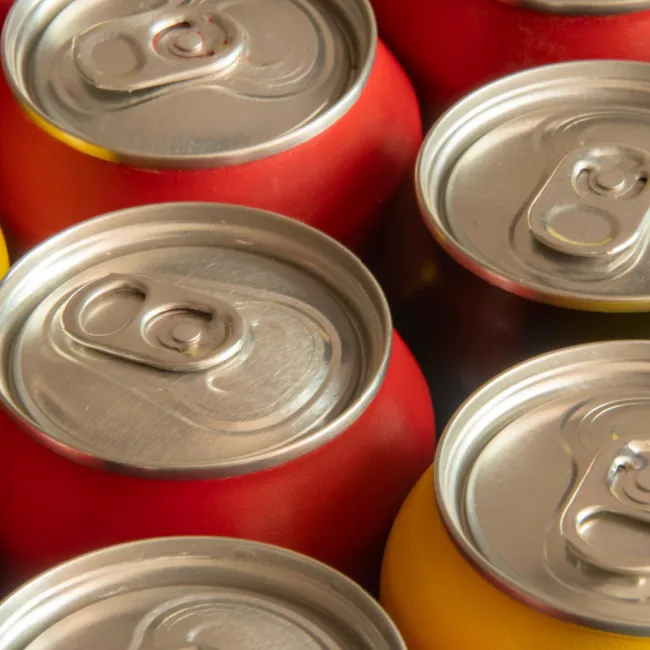
Sugary sodas are not only a source of empty calories but also a major contributor to weight gain and heart disease. Regular consumption of these drinks can lead to insulin resistance and inflammation, both of which are precursors to cardiovascular issues. "This is high in sugar and leads to weight gain, insulin resistance, and inflammation, all of which can contribute to heart disease," Gervacio warns. To quench your thirst, she suggests drinking water infused with slices of fruits like lemon, cucumber, or berries instead, or opting for unsweetened herbal teas.

4. Fast Food French Fries
As you probably already know, pulling up to the McDonald's drive-through and ordering a large side of fries on a regular basis can have serious health consequences. Not only can fast food fries cause visceral fat accumulation, but if you eat this salty treat too frequently, it can lead to heart disease and weight gain. This is largely thanks to the oil they're deep-fried in.
"These kinds of fries are high in trans fat which not only causes inflammation but [they] also contributes to the increase in visceral fat (belly fat)," Gervacio explains. "Trans fat is known to transfer the stored fat to the body's abdominal region. A person who adheres to a required caloric requirement, but has an actual diet high in trans fat, can still experience belly fat."