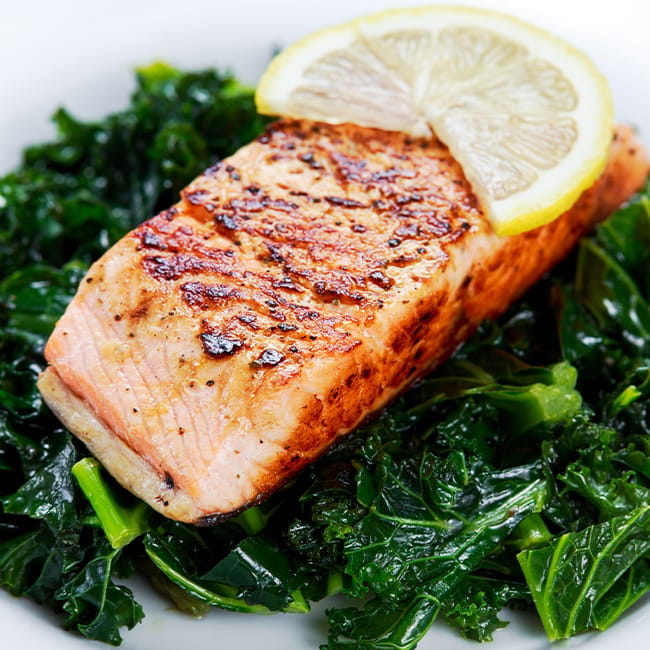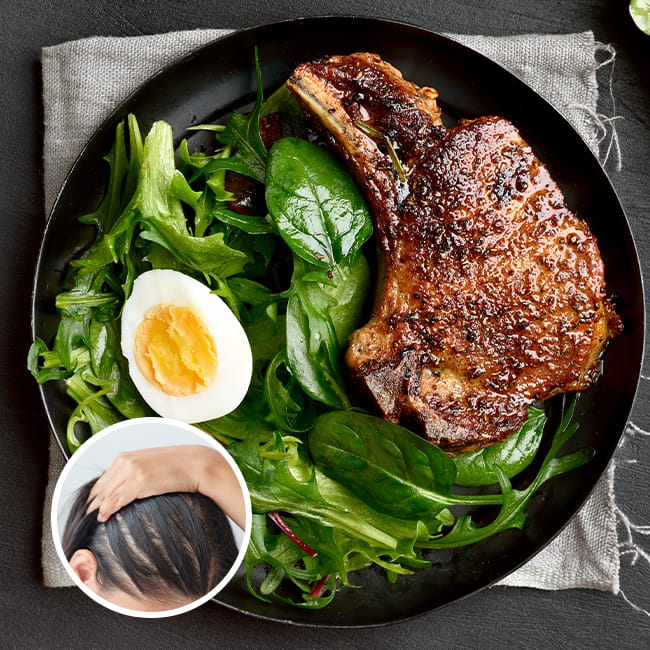





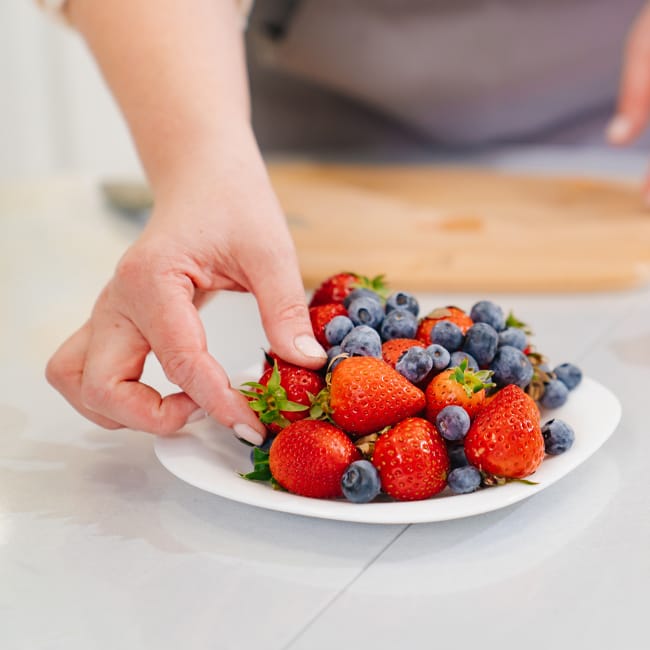
When it comes to smoother, firmer skin, injectables and high-tech treatments tend to steal the spotlight. But according to dermatologists, your kitchen may hold powerful tools for supporting collagen production naturally. Collagen — the structural protein responsible for skin’s firmness and elasticity — declines with age, contributing to fine lines, wrinkles, and sagging. While no food can completely stop the aging process, certain nutrient-rich options can give your body the building blocks it needs to maintain stronger, more resilient skin. From protein-packed staples to antioxidant-rich fruits, here’s what dermatologists say to add to your plate for a healthy collagen boost.

Women Are Swapping Their Boring Water For This Ice Pop Electrolyte Mix!

1. Bone Broth
Cosmetic procedures are not the only way to produce collagen, Dr. Arash Akhavan, MD, FAAD, owner of The Dermatology and Laser Group, notes. While collagen is primarily produced by the body, certain foods can help support collagen production or provide the necessary building blocks for its synthesis. And one of those foods is bone broth.
"Bone broth is made by simmering animal bones and connective tissues for an extended period, resulting in a nutrient-dense liquid containing collagen and other compounds such as amino acids, minerals, calcium, and other vitamins that help build collagen," Dr. Akhavan says.
Of course you can always warm up bone broth and sip on it throughout the day — it's tasty and delicious. But you can also find creative ways to use it that include making it your soup base (instead of chicken or beef broth), cooking pasta or rice in it, and even adding it to smoothies.
2. Blueberries
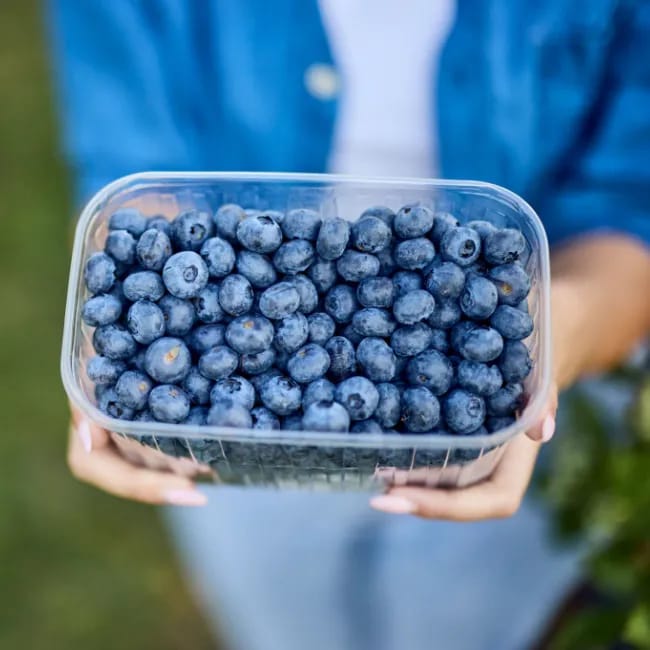
Since it isn't possible to completely prevent wrinkles from forming with age, staying hydrated and eating a myriad of nutrient-rich fruit is key to maintain a youthful glow. One fruit that is linked to supporting collagen synthesis and that contains healthy antioxidants is blueberries.
Dr. Emmanuel Loucas, MD, Director of SINY Dermatology and assistant professor of dermatology at Mount Sinai Hospital in New York City, explains that they are "thick in antioxidants, which help protect the skin from daily environmental and internal insults." Additionally, blueberries are rich in vitamin A & C, and the latter fights collagen breakdown. Loucas says that blueberries are also well-known to have anti-inflammatory properties. "Inflammation is a common denominator for many skin ailments including photoaging, eczema, acne, and rosacea, just to name a few," he points out.

3. Egg Whites
Dr. Anna Chacon, MD, board-certified dermatologist and writer at My Psoriasis Team, says collagen and other amino acids that are good for the skin are found naturally in egg whites, which also give you nutritious protein. "Collagen is the key component in preventing fine lines and wrinkles, and it is believed that this natural supply of collagen from egg whites can aid your body's natural collagen synthesis," she stresses.
When it comes to sagging skin, egg white collagen "increases suppleness, reduces wrinkles and crow's feet around the eyes, and on the face," she notes. As for how much of these to eat per day, Chacon says that "generally speaking, eating up to seven eggs a week" is great for your skin, and this "won't harm your heart health." Some of her patients "opt to consume egg whites alone, skipping the yolk," which still contains some protein, but no cholesterol.
The Bottom Line
You can’t completely prevent wrinkles — aging is a natural, beautiful process. But nourishing your body with collagen-supporting foods like bone broth, blueberries, and egg whites may help slow visible signs of skin aging by protecting existing collagen and supporting new production. Think of these foods as part of a bigger picture: consistent sun protection, hydration, quality sleep, and a balanced diet all work together to keep skin looking its best. Glowing skin isn’t just about what you apply topically — it’s also about what you feed your body from within.