




As summer approaches, a new tanning trend known as “UV maxxing” is gaining traction on TikTok—and dermatologists are sounding the alarm. The viral practice encourages people to intentionally seek out peak UV hours and use the UV Index as a guide for achieving a deeper tan faster. While influencers tout bronzed skin as the ultimate summer beauty goal, experts warn that the trend could come with serious long-term consequences.

The Difference Between Dragging Through Your Day And Feeling Great On Your Feet? These Arch Support Insoles

What Is 'UV Maxxing'?
UV maxxing refers to deliberately exposing your skin to high levels of ultraviolet radiation in an effort to maximize tanning results. Videos promoting the trend often encourage users to track the UV Index and spend more time outdoors when radiation levels are strongest.
The problem? Dermatologists say this approach completely misunderstands what the UV Index is actually designed to do.
According to board-certified dermatologist Dr. Adam Friedman, chair of dermatology at George Washington School of Medicine and Health Sciences, the UV Index was created as a safety tool—not a tanning guide.
“The goal is to reduce cumulative UV exposure, which is directly linked to skin cancer, photoaging, pigmentary disorders, and immune suppression, think herpes outbreaks following fun in the sun,” Dr. Friedman explained to Allure.
Why Dermatologists Are Concerned
Many people still associate a tan with health, vitality, and an active lifestyle. However, skin experts say that perception couldn't be further from the truth.
“Using the UV Index as a guide for tanning reframes a public health safety tool into a roadmap for intentional skin injury,” says Dr. Friedman. He emphasizes that tanning itself is evidence that the skin has already been damaged by UV radiation. “A tan is not a sign of health and vitality. It’s a biological response to DNA damage from ultraviolet radiation. The higher the UV Index, the greater the potential for injury.”
In other words, the darker color that develops after sun exposure is your body's attempt to protect itself from further harm—not proof of healthy skin. Beyond the increased risk of skin cancer, UV maxxing can accelerate many of the visible signs of aging that skincare enthusiasts spend years trying to reverse.
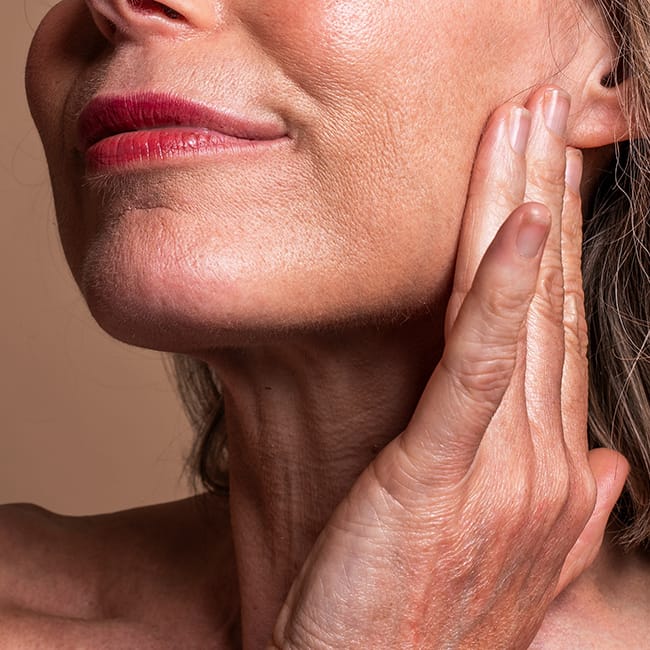
Excessive UV exposure breaks down collagen and elastin, two proteins responsible for keeping skin firm and youthful. Over time, this can contribute to fine lines, wrinkles, sagging, rough texture, and uneven pigmentation.
Sun exposure is also one of the leading causes of stubborn dark spots and discoloration. For those chasing a temporary glow, dermatologists say the trade-off simply isn't worth it. “The tan you see today may fade in a few weeks, but DNA damage accumulates over a lifetime,” Dr. Friedman warns.

A Safer Way To Get The Glow
If you're after bronzed skin this summer, experts recommend skipping intentional tanning altogether. Self-tanning mousses, tanning drops, bronzing lotions, and spray tans can deliver a sun-kissed look without exposing your skin to harmful UV rays.
Dermatologists also recommend wearing a broad-spectrum SPF 30 or higher every day, seeking shade during peak sun hours, and reapplying sunscreen regularly when outdoors.
While UV maxxing may be trending online, skincare professionals agree that protecting your skin now is one of the best beauty investments you can make for the future. A temporary tan may disappear by fall, but the effects of UV damage can last for decades.