


This story has been updated since it was originally posted on 4/10/25 to include additional information.
Many factors play a role in your ability to lose weight and keep it off, but your diet is one of the most crucial components to consider. If you’re struggling with stubborn weight, it may take more than hitting the gym with a great exercise routine to get it off. According to Dr. Helen Messier, MD, PhD, Chief Medical and Science Officer at Fountain Life, many common ingredients in today’s diet actively promote inflammation and fat storage. “Inflammation and fat storage are tightly linked through the hormone insulin and inflammatory pathways like NF-κB,” she explains. In other words, what you eat can either help keep inflammation under control and help you lose weight, or make matters worse.
Inflammation is the body’s natural response to injury or infection, but when it becomes chronic, it can wreak havoc on metabolism. “Reducing these foods and focusing on whole, anti-inflammatory nutrition not only supports healthy weight but also longevity,” says Dr. Messier. Find her warnings about the worst inflammatory foods below.

Struggling With Sleep? This Rechargeable Sound Machine Is A Total Game-Changer
1. Refined Sugar
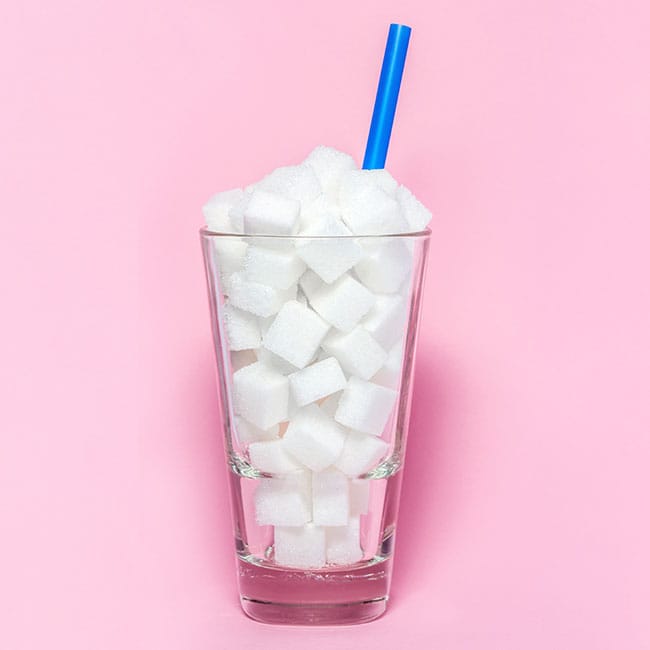
This one tops the list for a reason. "Refined sugar triggers insulin spikes, promotes fat accumulation (especially visceral fat), and fuels systemic inflammation through glycation and oxidative stress," says Dr. Messier. That means it's a good idea to avoid those morning pastries and afternoon sodas.

2. High-Fructose Corn Syrup
Common in sodas, processed snacks, and condiments, high-fructose corn syrup can take a serious toll on your health. "It increases liver fat, disrupts metabolism, and raises inflammatory markers like CRP," Dr. Messier notes. Over time, these metabolic disturbances make it easier to gain weight—and harder to lose it.

3. Trans Fats
These artificial fats, often found in margarine and baked goods, are some of the worst offenders, according to Dr. Messier. "They interfere with cell membrane function, elevate bad cholesterol, and are linked to belly fat and chronic disease," she says. When in doubt, it's a good idea to check the ingredient list for "partially hydrogenated oils"—and avoid them at all costs.
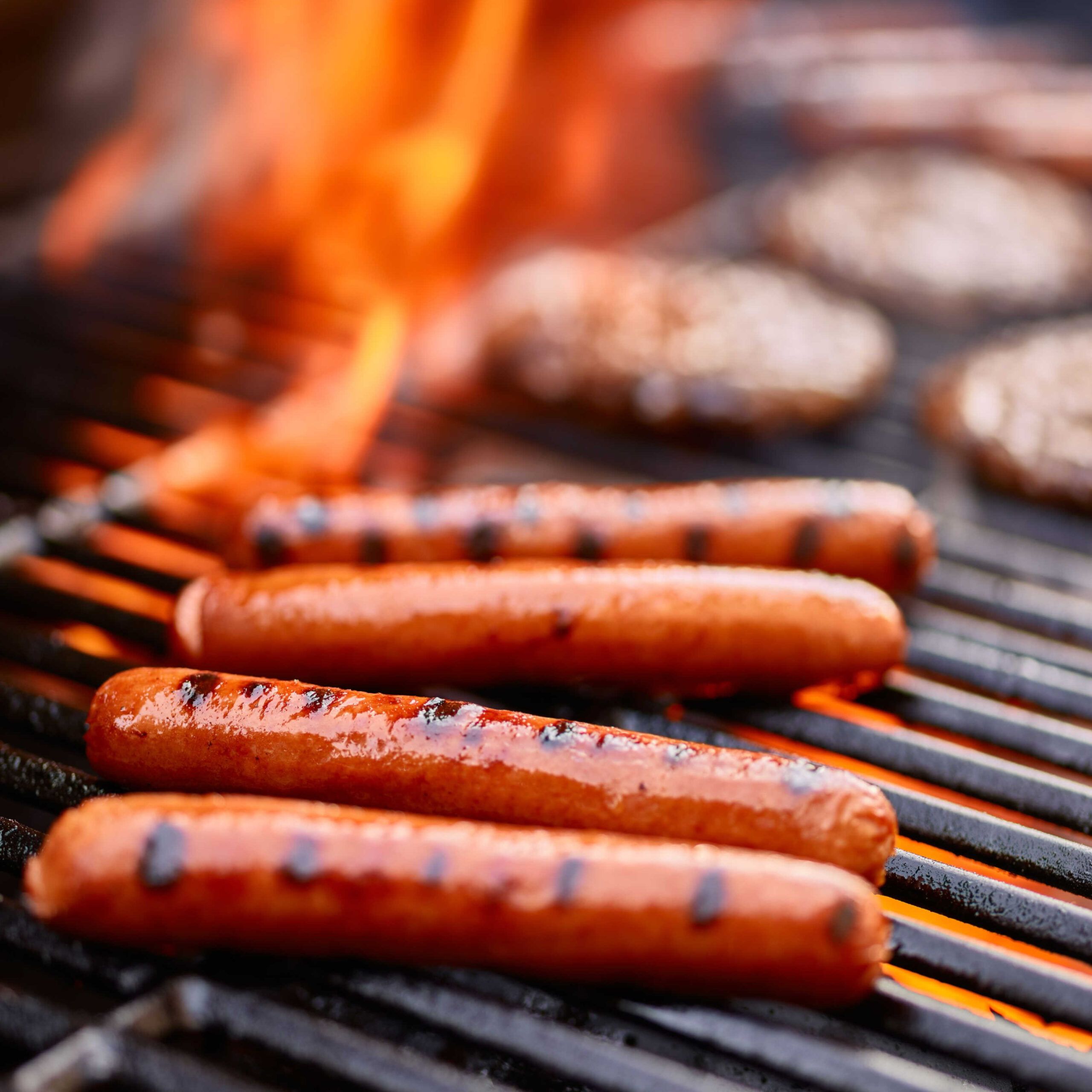
4.Processed Meats
Processed meats like hot dogs are notoriously hard to resist. But if you want to shed pounds, it's a good idea to cut these out, as they’re loaded with preservatives and inflammatory compounds. "Processed meats are often high in nitrates and AGEs (advanced glycation end products), which trigger oxidative stress and fat storage," Dr. Messier warns.

5. Refined Carbohydrates
Refined carbs like white bread and pastries are quickly digested, sending your blood sugar through the roof—and leading to fat storage. "They spike glucose and insulin, then crash—a hormonal rollercoaster that encourages fat storage and inflammation," Dr. Messier says. Choosing whole grains instead helps keep blood sugar levels stable and supports a balanced diet.

6. Vegetable Oils
Say goodbye to soybean, corn, and canola oil. Vegetable oils can be harmful to your health due to their unhealthy fat content, Dr. Messier warns. "They’re high in omega-6 fatty acids, which in excess (without balancing omega-3s) tip the body toward a pro-inflammatory state," Dr. Messier explains. Opt for olive oil, avocado oil, or grass-fed butter instead.

7. Fried Food
Fried foods are certainly delicious, but that great taste comes at a cost. "Fried foods are often cooked in oxidized oils and are rich in inflammatory compounds like acrylamides and trans fats," Dr. Messier says. The result? Insulin resistance, weight gain, and long-term metabolic dysfunction. Say it ain't so!

8. Alcohol
It probably isn't surprising to hear that alcohol isn't the healthiest choice around, but limiting your intake is crucial to reducing inflammation and losing weight. A few drinks here and there might seem harmless, but alcohol’s effects add up. "It disrupts liver metabolism, raises cortisol, and contributes to inflammatory cytokine production and fat storage around the midsection," says Dr. Messier.

9. Artificial Sweeteners
Although they're free of calories and marketed as a healthier alternative to sugar, don't be fooled; artificial sweeteners come with risks of their own. "Artificial sweeteners can alter the gut microbiome, increase insulin resistance, and indirectly promote fat gain and inflammation," Dr. Messier explains. Stick to natural alternatives like stevia or monk fruit when needed.

10. Packaged Snack Foods
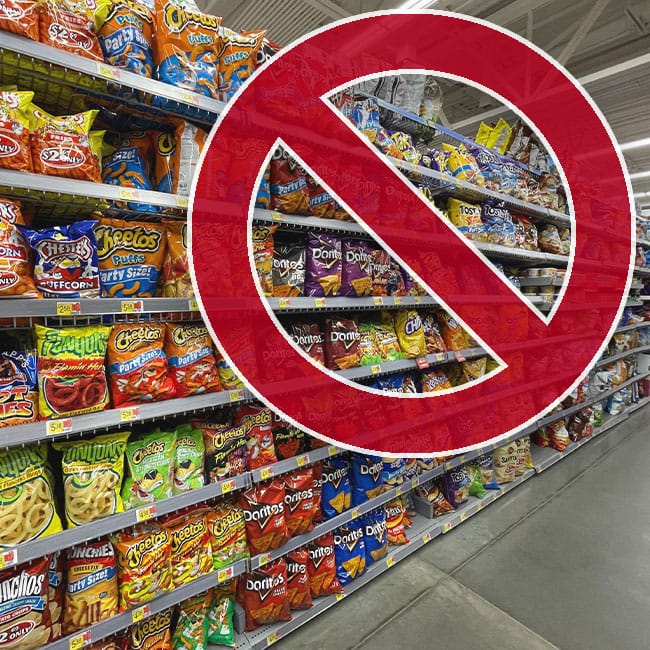
Processed snacks are certainly tempting to keep stocked, thanks to their convenience and great taste. But options like chips, crackers, and processed bars can be a nightmare for your health. "These items often combine refined carbs, unhealthy fats, and additives—a triple threat for inflammation and metabolic imbalance," Dr. Messier warns. Whole-food snacks like nuts or fruit are much better choices.

11. Flavored Yogurts & "Health" Bars
These foods may seem healthy, but the truth is they're often loaded with hidden sugars. "They can be sugar bombs in disguise," says Dr. Messier. "The added sugars and low protein/fiber content promote fat gain and inflammation." Yikes! Reach for sugar-free Greek yogurt instead—it's packed with benefits, and your body will thank you.

12. Store-bought Cookies
Store-bought cookies, laden with refined sugars, unhealthy fats, and artificial additives, can contribute significantly to weight gain and inflammation. The high sugar content in these sweet treats not only leads to an increased calorie intake but also triggers insulin spikes, promoting fat storage.
Valeria Dolbel, founder of Beauty Diets, says cookies count as a "food category that contributes the most calories accounted for added sugar intake yet provide little to no nutritional value." She further adds, "Low fiber and highly refined grains increase the risk of weight gain and higher levels of belly fat," adding that your favorite cookie likely "causes belly fat due to highly-processed ingredients such as butter, sugar, and refined flour."