




/wp-content/themes/shefinds_14/img/new-subscribe-img-mid.png)
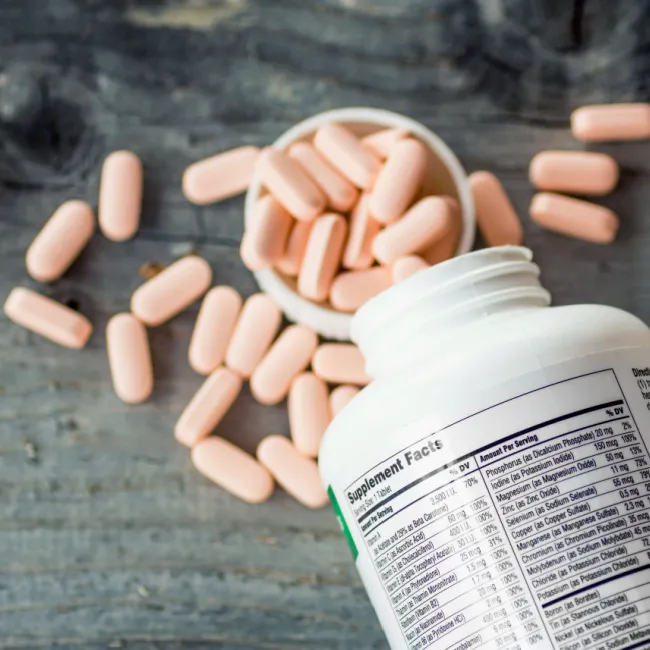
The supplement industry continues to grow at a rapid pace, but health experts warn that not all products lining store shelves are safe—or even effective. As we begin 2026, physicians are increasingly cautioning consumers against supplements that lack FDA approval, rely on vague “proprietary blends,” or make sweeping health claims without strong clinical evidence.
While supplements are legally allowed to bypass the rigorous approval process required for prescription drugs, experts say that absence of oversight can come with real risks—especially when products interfere with hormones, metabolism, or long-term health.
Here are four supplements doctors say you should seriously reconsider taking in 2026.

The Difference Between Dragging Through Your Day And Feeling Great On Your Feet? These Arch Support Insoles

1. DHEA (Dehydroepiandrosterone)
DHEA is frequently marketed as a supplement for fertility, anti-aging, and hormone balance—but medical experts say its risks are often understated.
“DHEA lacks FDA approval for fertility purposes, meaning its safety, efficacy, and quality are not regulated or guaranteed,” says Brian Levine, MD. Research has shown that DHEA supplementation can lead to hormonal imbalances and may negatively affect egg quality and ovarian response, potentially worsening IVF outcomes.
Dr. Levine also warns that side effects can be severe, including acne, excess facial or body hair, and deepening of the voice. “When I see patients are taking DHEA, I immediately bring up the lack of FDA support and tell them to stop it ASAP,” he says.
Because DHEA supplements are unregulated, inconsistent dosing and contamination remain additional concerns.

2. Supplements Made With “Proprietary Blends”
Many supplements advertise complex formulas labeled as “proprietary blends,” listing ingredients without disclosing exact dosages. Experts say this lack of transparency makes it difficult to evaluate both safety and effectiveness.
“Unless there is a clear clinical trial results, I share with patients to avoid proprietary blends if individual ingredients are hidden—especially the amounts,” says Yoon Hang Kim, MD, founder.
Dr. Kim also notes that sourcing and overall product quality are harder to assess when ingredients are bundled into undisclosed blends. Without knowing exact dosages, consumers may unknowingly underdose—or overconsume—certain compounds.
Because of this, he encourages a more controlled approach. “I usually ask patients to purchase high-quality supplements individually with excellent evidence and combine them. This way we can ensure quality and also control each ingredient’s dosing,” he explains.
He adds that there are rare exceptions made by manufacturers with impeccable reputations and long-term use in his practice.

3. “Fat Burner” Supplements
Weight-loss supplements marketed as “fat burners” remain some of the most aggressively promoted products in the supplement industry. Experts warn these formulas often rely on stimulant-heavy proprietary blends and exaggerated claims rather than sound science.
Many contain undisclosed amounts of caffeine derivatives, herbal stimulants, or experimental compounds that are not FDA-approved for weight loss. This lack of transparency can increase the risk of side effects such as heart palpitations, anxiety, elevated blood pressure, and sleep disturbances.
Health professionals stress that supplements promising rapid fat loss with minimal effort should raise red flags, especially when ingredient amounts are hidden.
4. Testosterone Boosters
Testosterone-boosting supplements are widely marketed to improve energy, muscle mass, and libido, yet most lack FDA approval and robust clinical evidence.
Experts caution that many of these products rely on proprietary blends of herbs, minerals, and hormone precursors that may not meaningfully increase testosterone levels. In some cases, they can interfere with the body’s natural hormone regulation or interact with medications.
Doctors emphasize that symptoms commonly attributed to low testosterone may have other underlying causes—and self-treating with supplements can delay proper medical evaluation.
The Bottom Line
Rather than turning to trendy formulas, doctors recommend choosing individual supplements with solid research support when truly necessary—and working with a healthcare professional to ensure quality, transparency, and appropriate dosing. When it comes to your health, what’s not listed on the label can matter just as much as what is.